









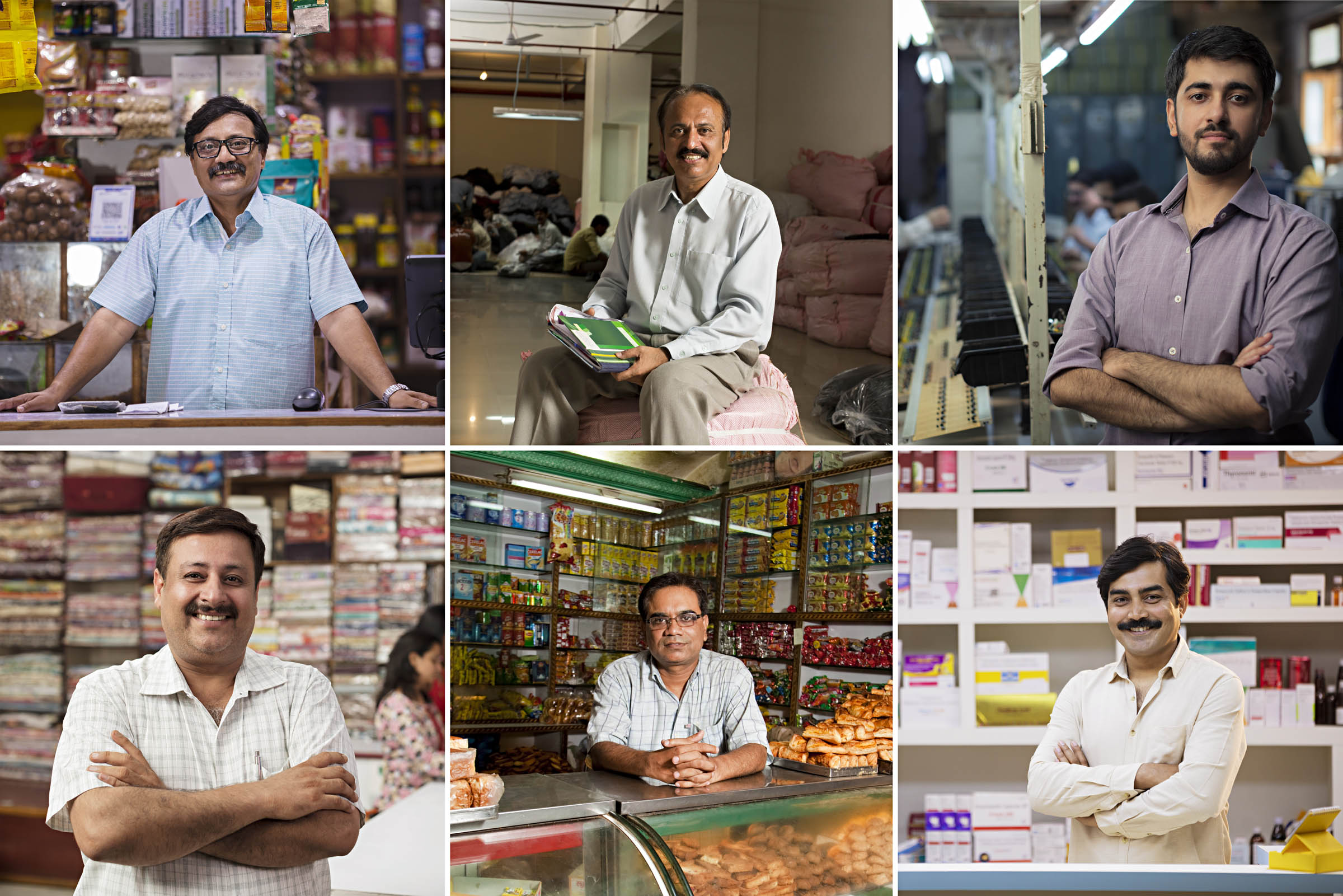
Micro, Small, and Medium Enterprises (MSMEs) are widely recognized as the backbone of the Indian economy. They contribute significantly to employment generation, industrial production, exports, innovation, and regional development. With more than 63 million enterprises across the country, the MSME sector has emerged as one of the most dynamic and resilient pillars of India’s economic progress. From small manufacturing units and retail businesses to technology startups and service providers, MSMEs play a vital role in strengthening the vision of Atmanirbhar Bharat (Self-Reliant India).

What are MSMEs?
MSMEs are classified based on their investment in plant and machinery or equipment and their annual turnover. As per the Government of India, businesses are categorized as:
- Micro Enterprises: Investment up to ₹2.5 crore and turnover up to ₹10 crore.
- Small Enterprises: Investment up to ₹25 crore and turnover up to ₹100 crore.
- Medium Enterprises: Investment up to ₹125 crore and turnover up to ₹500 crore.
This revised classification encourages businesses to grow without losing the benefits available to MSMEs.
Importance of MSMEs in India
The MSME sector contributes nearly 30% of India’s Gross Domestic Product (GDP) and accounts for approximately 45% of the country’s exports. It is also one of the largest employers after agriculture, providing jobs to over 110 million people.
MSMEs promote balanced regional development by creating employment opportunities in rural, semi-urban, and urban areas. They help reduce migration to metropolitan cities by encouraging local entrepreneurship and supporting traditional industries, handicrafts, textiles, food processing, engineering, and modern digital services.
Government Support for MSMEs
The Government of India has introduced several initiatives to strengthen the MSME ecosystem.
Udyam Registration offers businesses official MSME recognition, making them eligible for various government schemes and incentives.
The Credit Guarantee Fund Trust for Micro and Small Enterprises (CGTMSE) provides collateral-free loans, enabling entrepreneurs to access finance more easily.
The Prime Minister’s Employment Generation Programme (PMEGP) supports first-generation entrepreneurs with financial assistance to establish manufacturing and service businesses.
Other major initiatives include the Credit Linked Capital Subsidy Scheme (CLCSS), Technology Upgradation Programs, Digital MSME Scheme, ZED (Zero Defect Zero Effect) Certification, MSME Champions Portal, and participation through the Government e-Marketplace (GeM).
These programs encourage innovation, digital adoption, quality manufacturing, and easier market access.
Digital Transformation of MSMEs
Technology is transforming the MSME landscape. Cloud computing, artificial intelligence, digital marketing, e-commerce, online accounting software, and digital payment systems have enabled small businesses to compete with larger enterprises.
Platforms such as ONDC, GeM, Amazon, Flipkart, IndiaMART, and social commerce channels allow MSMEs to reach customers across India and internationally without significant investment in physical infrastructure.
Digital tools also improve inventory management, customer relationship management, financial planning, and supply chain efficiency.
Challenges Faced by MSMEs
Despite their importance, MSMEs continue to face several challenges.
Limited access to affordable finance remains a significant concern. Many small businesses struggle with inadequate collateral and delayed loan approvals.
Delayed payments from large corporations and government departments often affect working capital and business continuity.
Other major challenges include rising raw material costs, shortage of skilled manpower, limited technology adoption, regulatory compliance, infrastructure constraints, and increasing competition from global markets.
Addressing these issues requires continuous policy support, improved financial inclusion, skill development, and easier access to technology.
Opportunities for Future Growth
India’s rapidly expanding digital economy presents tremendous opportunities for MSMEs. Growing internet penetration, government support, rising domestic consumption, and increasing exports are creating new markets for entrepreneurs.
Emerging sectors such as renewable energy, electric vehicles, agritech, fintech, health technology, artificial intelligence, tourism, logistics, education technology, sustainable manufacturing, and food processing offer immense growth potential.
The “Make in India,” “Startup India,” and “Vocal for Local” initiatives are further encouraging domestic manufacturing and innovation.
Women entrepreneurs, youth-led startups, rural enterprises, and family-owned businesses are increasingly contributing to India’s entrepreneurial ecosystem, making the MSME sector more diverse and inclusive.
The Road Ahead
The future of India’s MSME sector depends on innovation, digital adoption, access to finance, quality manufacturing, and global competitiveness. Businesses that embrace technology, invest in skill development, maintain financial discipline, and focus on customer satisfaction will be better positioned for long-term success.
As India moves toward becoming a multi-trillion-dollar economy, MSMEs will remain central to achieving sustainable economic growth, employment generation, exports, and inclusive development. Strengthening this sector will not only empower entrepreneurs but also build stronger communities, create millions of new jobs, and enhance India’s position in the global economy.
MSMEs are more than just small businesses—they are the driving force behind India’s economic transformation. By nurturing entrepreneurship, encouraging innovation, and supporting local industries, the MSME sector continues to shape a prosperous and self-reliant Bharat.